The first 40 days after delivery: rest, food and care
The first 40 days after delivery, called jaapa, japa or the confinement period in many Indian homes, is a traditional window of rest, nourishing food and family care for a new mother. Its core logic is sound and worth keeping. Some attached rules, like never bathing or never stepping out, are myths that can be gently softened. Fever, heavy bleeding or deep low mood in these weeks always need a doctor.
The first 40 days after delivery, called jaapa, japa or the confinement period in many Indian homes, is a traditional window of rest, nourishing food and family care for a new mother. Its core logic is sound and worth keeping. Some attached rules, like never bathing or never stepping out, are myths that can be gently softened. Fever, heavy bleeding or deep low mood in these weeks always need a doctor.
Why this tradition exists, and why it is mostly right
Strip away the rules and rituals, and the jaapa says three things: a woman who has just given birth should rest, should be fed well, and should not carry the house on her shoulders. Modern medicine agrees with every word.
In these weeks your uterus is shrinking back to size, bleeding called lochia is tapering off, stitches or a C-section scar are healing, hormones are falling steeply and sleep arrives in fragments. A protected period where someone else cooks, cleans and holds the baby while you sleep is not pampering. It is recovery, the same as rest after any operation.
Not every family can offer 40 days of full support, and that is okay. Even a partial version, where you skip cooking and heavy housework and someone takes one night feed, changes how you heal. The number 40 is tradition, not a medical switch, and it is normal to heal faster or slower than that.
Food traditions worth keeping
The jaapa kitchen is one of the best parts of the tradition. Warm, soft, freshly cooked food, ghee in sensible amounts, panjiri, gond laddoo, ajwain and methi preparations, milk and khichdi all come from generations of feeding recovering mothers, and most of it holds up well today.
Two upgrades are worth making. First, add protein deliberately, because traditional menus can drift toward rich but protein-light food: a katori of dal, curd, milk, eggs if you eat them, soft paneer. Second, keep portions of the rich items sensible, one small laddoo as a snack rather than three as a meal. The full breakdown, including the honest take on panjiri and laddoos, is in our Indian postpartum diet guide.
One tradition to quietly drop: restricting water or ordinary foods like fruit, rice and dal. A recovering, often breastfeeding mother needs more fluid and more nourishment, not less.
Myths to soften, gently
Some jaapa rules made sense in another era and can be relaxed now, without disrespecting the elders who carry them.
Bathing. The old fear came from cold water and unheated homes in a different time. Today, a warm bath in a warm bathroom is safe for most mothers once your doctor has no specific concern, and it helps hygiene, mood and sleep. C-section mothers should follow their doctor's advice on keeping the wound dry early on. Our C-section recovery guide covers wound care alongside food.
Never going out. Avoiding crowded places in the early weeks is sensible, since your baby's immunity is new and you are healing. But a slow walk on the terrace or in the society garden is good for your body, mood and sleep. Fresh air is not the enemy. Infection is, so pick calm times and clean places.
No fan, no washing hair, tight belly binding, eating for two. Comfort matters more than rulebooks here. Use the fan if you are hot, wash your hair when you wish, keep any belly wrap gentle rather than tight, and eat to genuine hunger. If a custom comforts you, keep it. If it distresses you, it is allowed to go.
The kindest way through is rarely argument. "Doctor ne bola hai" carries weight in most homes, and letting your doctor be the strict one protects family peace.
Rest, mood and the parts nobody warns you about
Rest in the jaapa should mean sleep and ease, not isolation in a dim room, which can pull mood down. Keep people you love around, daylight coming in, and gentle movement in your day.
Expect some strange-feeling but normal things: night sweats as hormones settle, bleeding that fades from red to pink to brown, tender breasts as milk regulates, and later a scary amount of hair in the comb, common enough that we wrote a separate guide on postpartum hair fall. Tearful, up-and-down days in the first two weeks are common too. If low mood lasts beyond two weeks or feels heavy and joyless, that is beyond the blues and needs a doctor, not silence.
And one reassurance about the mirror: your body is not supposed to be back to anything by day 40. When you are healed and ready, postpartum weight loss can be gentle and unhurried. It has no place inside these weeks.
Red flags: see a doctor immediately
The jaapa tradition of watching over a new mother has one modern upgrade: knowing exactly what needs a doctor now, not after the 40 days. Go immediately if you have:
- Bleeding that soaks a pad within an hour, or large clots
- Fever or chills
- Foul-smelling discharge
- A wound or scar that turns red, swells, oozes or opens
- Severe headache, blurred vision, or swelling of face and hands
- Pain, swelling or warmth in one leg
- Chest pain or breathlessness, which is an emergency
- Burning urine or being unable to pass urine
- A hard, red, painful area of the breast with fever
- Feeling hopeless, unable to cope, or having thoughts of harming yourself or the baby
None of these are things to tolerate quietly until the confinement ends. Every one of them deserves a doctor the same day.
Common questions
Do I really have to stay in for the full 40 days?
No. The 40-day figure is tradition, not a medical requirement. What your body actually needs is rest, nourishment and protection from infection while it heals, and that can flex around your life. Avoid crowded places early on, but gentle outdoor walks are good for you. Some mothers are ready sooner, others need longer, especially after a C-section. Let your recovery and your doctor guide the timeline.
Is it safe to bathe during the jaapa?
For most mothers, yes. A warm bath in a warm, non-drafty bathroom is safe and genuinely helps hygiene, comfort and sleep. If you had a C-section, follow your doctor's advice about keeping the incision dry in the first days and pat it dry gently afterward. If a wound looks red or oozes at any point, show a doctor promptly.
What should a new mother eat during the first 40 days?
Warm, fresh, homely food with protein in every meal: dal, curd, milk, eggs if you eat them, soft sabzi, rice or roti, and fruit. Traditional preparations like panjiri, gond laddoo and methi dishes fit in sensible portions. Drink plenty of water, especially if breastfeeding, and keep taking any iron or calcium your doctor prescribed. There is no medical reason to ban ordinary foods like rice, curd or fruit.
Can I do any exercise during the confinement period?
Gentle movement is welcome from early on for most mothers: walking around the house, short slow walks, deep breathing and pelvic floor squeezes. These help circulation, mood and recovery. Structured exercise beyond that should wait for your doctor's clearance at your postnatal check-up, and longer after a C-section. If any movement increases bleeding or pain, stop and tell your doctor.
The jaapa works best when tradition and good information hold hands. You can book a free consultation with a senior counselor to plan your recovery weeks around your own family's customs, or explore the postpartum hub and the postpartum program for steady support after the 40 days end.
See the postpartum program
CurviCare is a doctor-led lifestyle company, not a diet company. If you want help applying this to your own week, we will build it around your food, your routine and your goals.
See the postpartum program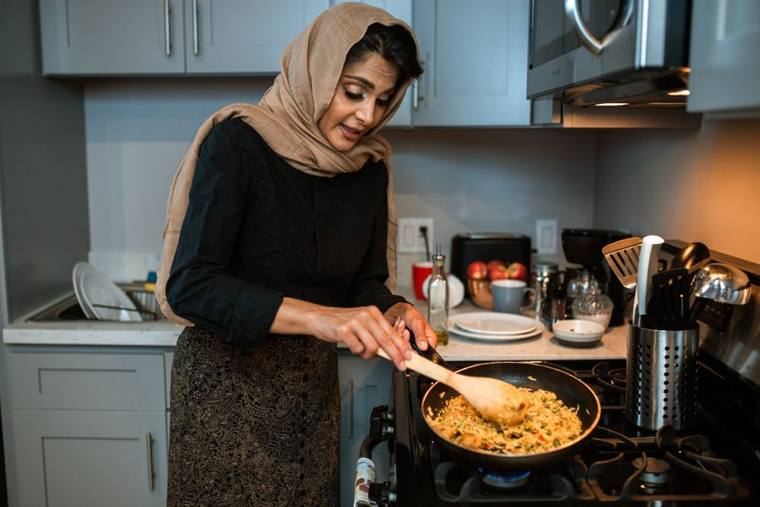

A plan built around what you just read.
A free consultation, an honest conversation, and a plan that fits your real life.
Book a Free ConsultationThis article is for education only and is not medical advice or a diagnosis. Please see a doctor for diagnosis, and never start or stop medication without your doctor. PCOS and thyroid conditions are managed, not cured, and no result is guaranteed.